

Upgrading to high-performance Phoenix home vinyl windows reduces residential APS and SRP cooling bills by up to 30–40% by blocking conductive thermal heat transfer. Outdated aluminum and single-pane glass frames easily transmit Sonoran Desert solar heat into interior spaces, forcing air conditioners into continuous operation during peak-rate electricity hours.
Modern vinyl frames engineered with Low-E 366 spectrally selective glass coatings, dense argon gas fills, and UV-stabilized titanium dioxide (TiO2) uPVC formulations reflect up to 95% of infrared radiation and create an airtight barrier against intense heat, haboob dust storms, and monsoon rains.
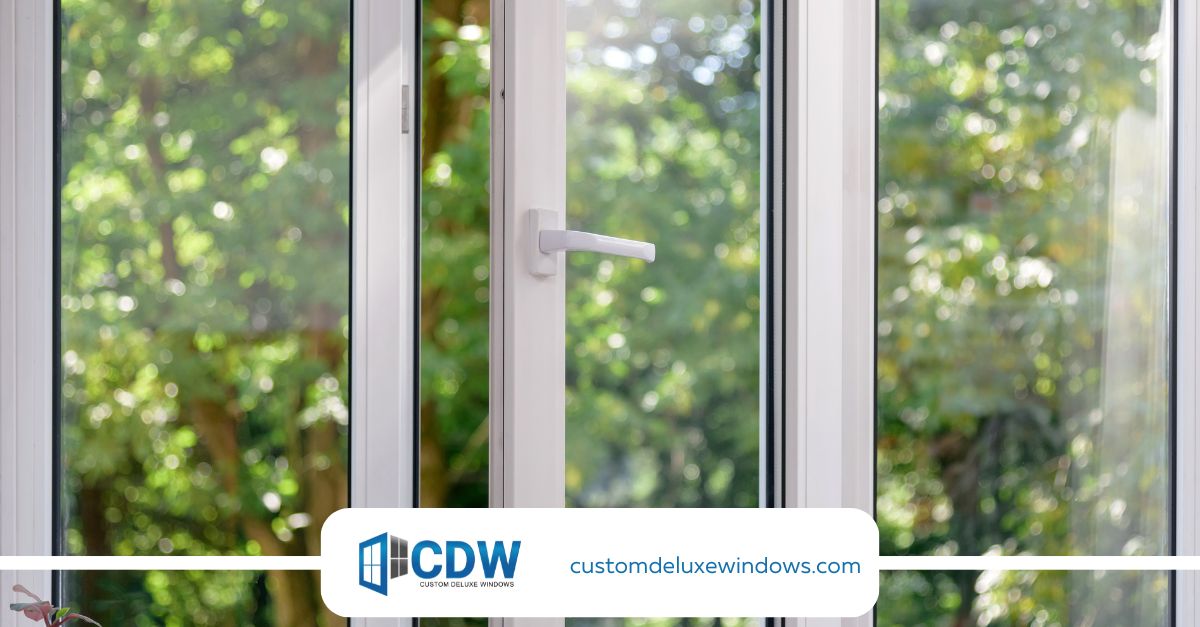
Phoenix Home Vinyl Windows: Beat 110°F Heat & Lower APS/SRP Bills
Summers across the Valley of the Sun subject residential structures to unrelenting thermal strain. When ambient outdoor air temperatures regularly surpass triple digits across Phoenix, Scottsdale, Mesa, Tempe, and Chandler, inadequate window assemblies act as direct thermal bridges.
Standard single-pane glass and non-insulated aluminum framing materials transfer radiant energy straight into living areas.
Upgrading to custom-engineered Phoenix home vinyl windows from Custom Deluxe Windows builds a high-performance thermal break engineered to withstand extreme Sonoran Desert climate conditions while dramatically curbing electrical usage during high-cost utility billing cycles.
Deflecting Sonoran Desert Solar Rays to Slash APS and SRP Cooling Charges
Unprotected residential window glass and raw aluminum frames absorb and transmit radiant heat during prolonged summer heatwaves. High exterior surface temperatures elevate indoor ambient conditions, forcing central HVAC compressors to run without relief during peak-rate billing tiers enforced by Arizona Public Service (APS) and Salt River Project (SRP).
Installing advanced vinyl window assemblies insulates structural openings and stabilizes internal temperatures across every room in your home.
Thermal Performance Indicators
- Low-E 366 Spectrally Selective Glass Coatings: Multi-layered, microscopic silver coatings reflect up to 95% of damaging infrared solar heat rays back away from the home.
- Argon Gas Thermo-Seals: Inert argon gas sealed inside dual-pane insulated glass units (IGUs) provides a dense thermal break that restricts conductive heat migration through the glass pack.
- Reduced Solar Heat Gain Coefficient (SHGC): Engineered low-SHGC glass formulations prevent radiant desert sun from penetrating interior living spaces.
- Decreased HVAC Duty Cycles: Custom vinyl window profiles reduce continuous air conditioning compressor strain during 100°F+ afternoon temperature spikes.
- Direct Utility Charge Reductions: Lower overall kilowatt-hour (kWh) power consumption leads directly to smaller monthly charges on APS and SRP summer electricity bills.
Structural Frame Durability: Aluminum vs. Standard Vinyl vs. High- TiO2 uPVC
Standard vinyl frames degrade, warp, and yellow under direct Sonoran Desert sunlight. High-performance Phoenix home vinyl windows require specialized unplasticized polyvinyl chloride (uPVC) extruded with elevated concentrations of titanium dioxide (TiO2). This additive reflects ultraviolet radiation, protecting structural integrity and aesthetic appearance on hot southern and western home exposures.
| Performance Metric / Structural Feature | Standard Aluminum Frames | Low-Grade / Commodity Vinyl | Titanium Dioxide (TiO2) Fortified uPVC |
|---|---|---|---|
| Thermal Conductivity | High (Acts as a thermal bridge; hot to touch)[cite: 27] | Low (Insulates well)[cite: 27] | Extremely Low (Optimal thermal break)[cite: 27] |
| UV Degradation Resistance | Moderate (Paint fades/chalks)[cite: 27] | Poor (Prone to yellowing and chalking)[cite: 27] | Superior (Permanent solar shield)[cite: 27] |
| High-Heat Structural Stability | High (Will not bow)[cite: 27] | Low (Sags/warps above 120°F surface temp)[cite: 27] | Maximum (Maintains structural rigidity)[cite: 27] |
| Maintenance Requirements | High (Repainting, corrosion treatment)[cite: 27] | Low[cite: 27] | Zero (Wipe-clean maintenance)[cite: 27] |
| Airtight Joint Integrity | Low (Mechanically fastened, leaks air)[cite: 27] | Fair (Basic welded corners)[cite: 27] | High (Fusion-welded seamless corners)[cite: 27] |
| Expected Sonoran Desert Service Life | 10–15 Years (Thermal seal failures)[cite: 27] | 5–10 Years (Structural distortion)[cite: 27] | 30+ Years (Guaranteed frame stability)[cite: 27] |
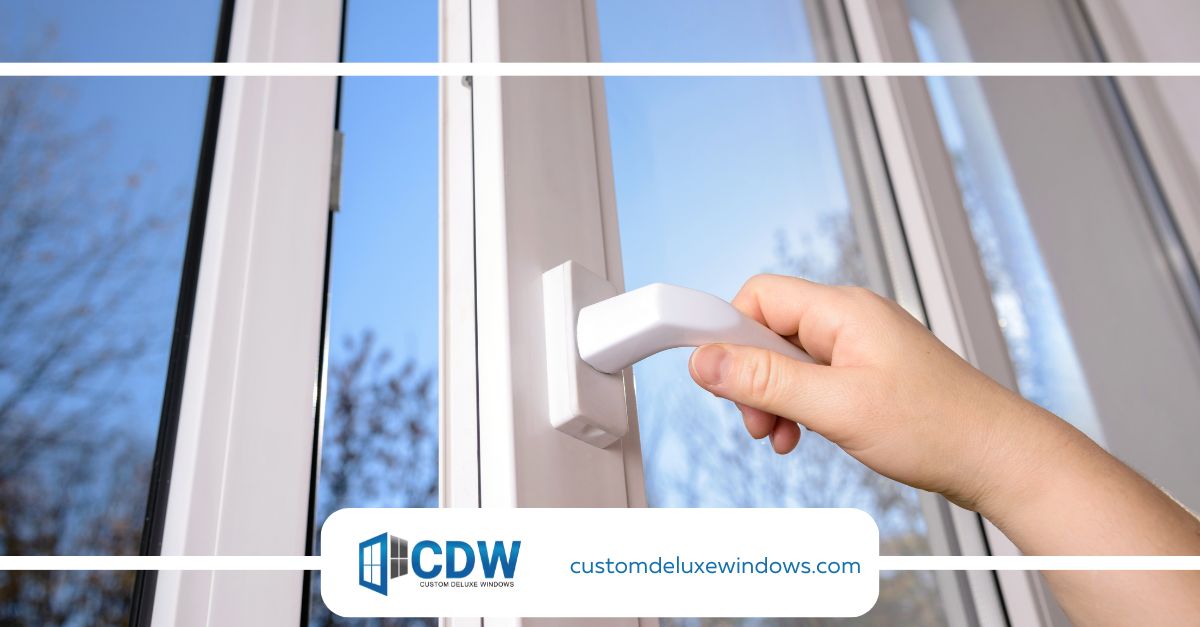
Sealing Out Haboob Dust and Summer Monsoon Rains with Custom Retrofit Installations
The Valley’s summer weather presents harsh environmental demands beyond high ambient heat. Massive haboob dust storms push fine, abrasive silt across regional highways and neighborhoods, while sudden summer monsoon downpours challenge the watertight integrity of exterior home envelopes.
Engineered Retrofit Phoenix Home Vinyl Windows Installation Protocols
- Flush-Fin Retrofit Framing: Precision-molded exterior fins mount securely against existing Arizona stucco exteriors, creating a tight seal without cracking surrounding masonry or drywall.
- Multi-Point Weatherstripping: Heavy-duty compression seals surround operable sashes to prevent micro-particulate haboob dust and fine silt from entering living areas.
- Internal Drainage Weep Systems: Engineered frame channels direct driving monsoon rain outward away from internal wall cavities and window sills.
- Acoustic Sound Dampening: Dense dual-pane glass construction isolates interiors from traffic noise, high-velocity desert winds, and urban neighborhood activity.
- Exact Sash Alignment: Factory-calibrated hardware provides smooth operational travel, positive latching, and secure locking across all sashes.
Complete Window Styles Tailored for Valley Home Architecture
Valley residential architecture ranges from mid-century ranch homes in Central Phoenix and Arcadia to Spanish Colonial Revival, Pueblo, and Southwestern stucco residences in North Scottsdale, Paradise Valley, and Gilbert. Custom Deluxe Windows custom window manufacturing can provide a wide range of frame styles engineered specifically to suit these distinct home designs.
Residential Frame Styles and Applications
- Single-Hung and Double-Hung Windows: Feature classic architectural lines with sliding sashes for effortless vertical ventilation and easy interior cleaning.
- Horizontal Sliding Windows: Smooth roller assemblies provide easy side-to-side operation, making them ideal for wide openings facing covered patios or side walkways.
- Casement and Awning Windows: Utilize crank mechanisms that open outward, compressing tightly against frame seals to catch cooling cross-breezes during spring and fall months.
- Picture and Geometric Fixed Windows: Provide expansive, unobstructed views of desert landscapes while delivering maximum thermal efficiency across large structural openings.
- Bay, Bow, and Garden Windows: Extend outward beyond exterior walls to capture ambient light, expand indoor living space, and create display areas for interior plants.
Custom Manufacturing and Local Arizona Installation Excellence
Maximizing home energy savings and long-term frame durability requires combining high-grade materials with expert installation practices. Mass-produced stock windows sold at big-box retailers rarely account for varying stucco depths, uneven framing, or local building movement found across Valley homes.
Precision Installation Standards
- Tailored Manufacturing Measurements: Every unit is custom-extruded and fabricated to fit your home’s exact rough openings to within fractions of an inch.
- Specialized Stucco Adaptability: Framing configurations adapt cleanly to single-coat stucco, traditional three-coat stucco, drywall returns, and exterior masonry.
- Commercial-Grade Sealants: High-grade elastomeric sealants remain pliable under intense thermal expansion cycles, preventing perimeter seal failures.
- Heavy-Duty Hardware Components: Stainless-steel tandem rollers, multi-point locking bars, and corrosion-resistant hinges deliver smooth sash operation year after year.
Frequently Asked Questions About Phoenix Home Vinyl Windows
How do vinyl replacement windows lower APS and SRP bills in Phoenix?
High-performance replacement vinyl windows lower APS and SRP bills by utilizing spectrally selective Low-E 366 glass, argon gas fills, and non-conductive uPVC frames. This multi-layered barrier blocks up to 95% of incoming solar infrared heat, reducing the load on central air conditioning units during high-rate summer billing hours.
Why are high-titanium-dioxide (TiO2) uPVC vinyl frames necessary for Phoenix homes?
Standard vinyl frames can warp, sag, or discolor when exposed to direct afternoon sunlight in triple-digit heat. Adding high concentrations of titanium dioxide (TiO2) to the raw uPVC mixture acts as a permanent UV shield. This compound reflects harmful ultraviolet radiation, allowing the frame to maintain its structural shape, strength, and color across southern and western exposures.
What window frame material is best for Arizona desert heat?
Titanium dioxide (TiO2) fortified uPVC vinyl is the best window frame material for Arizona heat. Unlike aluminum, which absorbs heat, or unfortified vinyl, which warps under high surface temperatures, high-TiO2 uPVC insulates living spaces, resists solar degradation, and requires zero painting or maintenance.
How do custom retrofit windows prevent haboob dust from entering my house?
Retrofit window installations utilize specialized flush-fin frames integrated with dense, multi-point compression weatherstripping. This design seals the gap between the window frame and your home’s exterior stucco wall, creating an airtight perimeter that blocks fine silt and airborne dust particles during Valley sandstorms.
Can replacing my windows help reduce neighborhood noise inside my home?
Yes. Dual-pane insulated glass units (IGUs) combining varied glass thicknesses with dense argon gas fills significantly lower sound transmission. This insulating airspace dampens external noise pollution, including traffic, neighborhood activity, aircraft, and high-velocity monsoon winds.