
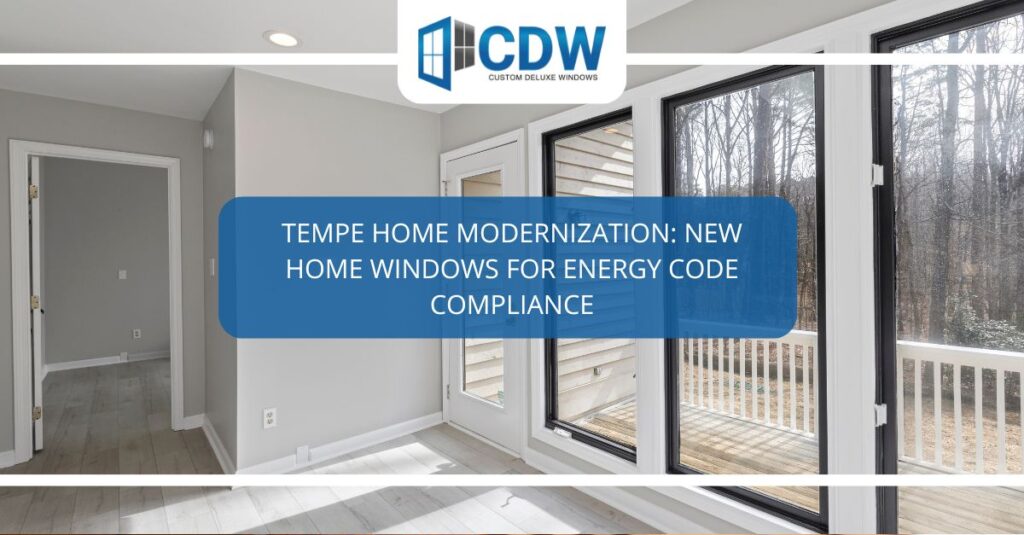
What energy efficiency codes and glass specifications are required for Tempe custom new home windows?
Under the City of Tempe Community Development codes and the International Energy Conservation Code (IECC) for Climate Zone 2B, Tempe custom new home windows and residential replacement windows must achieve a U-Factor of 0.32 or lower and a Solar Heat Gain Coefficient (SHGC) of 0.23 or lower (with local best practices recommending SHGC below 0.22 to combat extreme high-desert solar heat gain).
Dual-pane packages equipped with triple-layer silver Low-E 366 glass and 90%+ high-density argon gas fill reflect up to 95% of solar infrared rays, reducing air conditioning load, lowering peak summer power bills, and qualifying homeowners for Salt River Project (SRP) energy efficiency rebates.
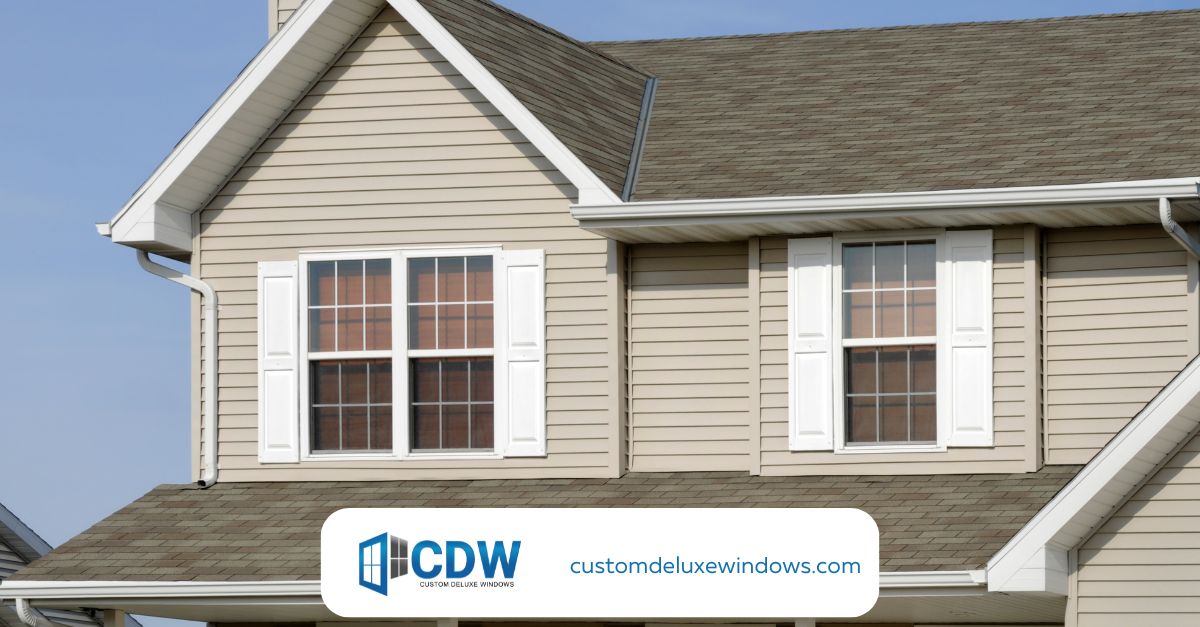
Navigating Tempe Energy Codes, IECC Standards & Sonoran Desert Microclimates
Upgrading residential window systems across Tempe requires strict adherence to municipal efficiency codes engineered specifically for extreme, low-desert environments. The City of Tempe Community Development Department enforces stringent thermal envelope guidelines aligned with Climate Zone 2B of the International Energy Conservation Code (IECC).
Installing factory-direct custom new home windows ensures your property achieves full structural compliance while capitalizing on local utility incentives.
Tempe’s microclimate presents severe thermal demands. The urban heat island (UHI) effect, amplified by expansive asphalt across the Phoenix-Tempe heat corridor, high-density residential layouts near Arizona State University (ASU), and heat retention along the Salt River bed, creates sustained microclimate pressures.
Neighborhoods ranging from historic homes in Maple-Ash and Mitchell Park to mid-century modern properties in Broadmor and modern builds near Tempe Town Lake experience prolonged thermal loading.
Custom-engineered vinyl and hybrid composite frames prevent thermal bridging, maintaining cooler indoor ambient temperatures even during summer stretches exceeding 115°F.
Selecting locally manufactured, high-performance window systems allows homeowners to directly apply for Salt River Project (SRP) residential energy efficiency rebates, offsetting initial retrofitting costs while permanently lowering peak billing cycle demand.
How do Low-E 366 glass and argon gas insulation improve energy performance in Tempe homes?
Low-E 366 glass uses three microscopic layers of silver coating to bounce away up to 95% of direct solar infrared heat while allowing visible light to pass through. Paired with high-density argon gas sealed between dual panes, this system blocks conductive heat transfer through the glass.
In Tempe’s intense desert sunlight, this combination lowers interior glass surface temperatures by up to 30°F, blocks 95% of UV rays to prevent interior fading, and significantly reduces air conditioner cycling during triple-digit heat waves.
Thermal Resistance: Code Mandates vs. High-Performance Engineering
To withstand the atmospheric demands of the East Valley, window assemblies must stop direct radiant solar heat gain and conductive heat transfer. Off-the-shelf, big-box store windows manufactured for temperate national climates frequently fail under the intense ultraviolet radiation and rapid diurnal temperature fluctuations of the Sonoran Desert.
| Energy & Structural Performance Metric | IECC Climate Zone 2B / Tempe Baseline Code | Standard Dual-Pane Window Package | Premium Custom Low-E 366 / Argon Window |
|---|---|---|---|
| U-Factor (Thermal Conductance) | ≤ 0.32[cite: 51] | 0.35 – 0.48[cite: 51] | 0.24 – 0.28[cite: 51] |
| Solar Heat Gain Coefficient (SHGC) | ≤ 0.23[cite: 51] | 0.30 – 0.40[cite: 51] | 0.17 – 0.21[cite: 51] |
| UV Ray Blockage Percentage | Unrated[cite: 51] | 65% – 75%[cite: 51] | 95% – 99%[cite: 51] |
| Infrared (IR) Heat Reflection | Unrated[cite: 51] | 40% – 60%[cite: 51] | 95%[cite: 51] |
| Frame Air Infiltration Rate | ≤ 0.30 cfm/ft²[cite: 51] | 0.20 cfm/ft²[cite: 51] | ≤ 0.04 cfm/ft²[cite: 51] |
| SRP Utility Rebate Eligibility | Conditional[cite: 51] | Ineligible[cite: 51] | Fully Qualified[cite: 51] |
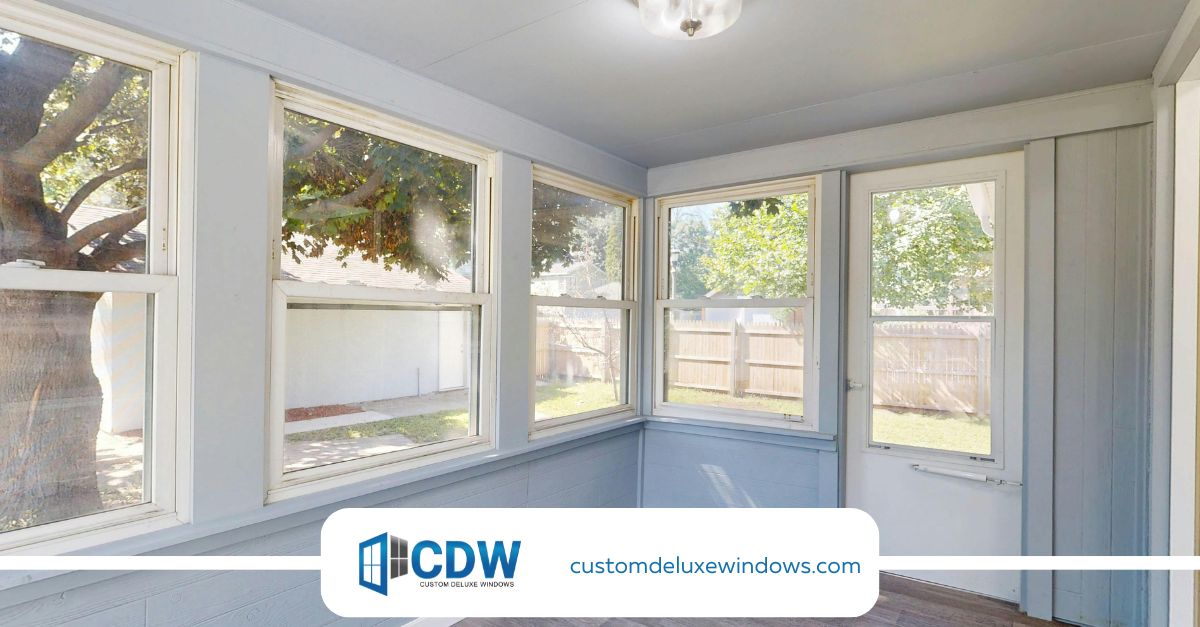
Multi-chambered vinyl frame profiles create dead-air insulation pockets inside the structural frame, interrupting thermal conductivity. When paired with high-density argon gas fills and precision spacer systems, high-efficiency window retrofits create a continuous thermal barrier. Homeowners can explore Custom Deluxe Windows’ services to review engineered glass configurations designed specifically to meet and exceed these municipal standards.
Advanced Solar Heat Rejection: Low-E 366 Spectrally Selective Technology
Direct solar radiation across Tempe rapidly overheats interior living spaces, forcing HVAC units to run constantly during peak summer rate hours. Custom window assemblies featuring dual-pane Low-E 366 spectrally selective glass utilize three microscopic layers of silver to reflect solar heat back outside while admitting abundant daylight.
Performance Benefits of Low-E 366 Glass in Desert Climates
- Triple-Layer Silver Coating: Targets the infrared light spectrum, rejecting solar heat without darkening interior rooms or requiring heavy window tints.
- Hermetically Sealed Argon Infill: Replaces atmospheric air between panes with dense, low-conductivity argon gas, cutting conductive heat transfer in half.
- Comprehensive UV Suppression: Blocks over 95% of destructive ultraviolet rays, preserving hardwood flooring, custom cabinetry, leather furniture, and artwork from sun bleaching.
- HVAC Load Reduction: Minimizes indoor thermal spikes, allowing air conditioning systems to cycle down and extending mechanical compressor life.
- Acoustic Dampening: Dual-pane construction backed by gas insulation dampens external city, traffic, and university noise for a quieter indoor environment.
What is a block-frame retrofit, and why is it necessary for Tempe stucco and masonry homes?
A block-frame retrofit is a specialized window installation technique designed for concrete block, brick, and stucco homes common in Arizona. Instead of tearing out surrounding exterior stucco or breaking original moisture barriers (as required by traditional nail-fin installations), a custom block frame is inserted precisely into the existing structural opening.
Sealed with commercial-grade polyurethane membranes and high-density expanding foam, block-frame retrofits preserve exterior wall integrity while completely stopping air leaks, haboob dust, and monsoon water intrusion.
Stucco & Masonry Preservation: Precision Retrofitting Techniques
A significant portion of Tempe’s residential housing inventory consists of classic ranch-style homes built with concrete masonry units (CMU), slump block, or wood-frame structures finished with traditional three-coat exterior stucco.
Standard window replacement approaches often utilize nail-fin frames, which require breaking out surrounding stucco with demolition tools, risking exterior cracking, finish mismatching, and water intrusion points.
Custom block-frame window installations eliminate stucco damage by fitting custom-manufactured window frames directly into existing rough openings. This process preserves the home’s exterior envelope while providing superior weatherization against seasonal Sonoran Desert weather patterns.
Desert Weatherization Integrity Standards
- Haboob Dust Defense: High-volume dust storms push particulate matter through micro-gaps in standard window frames. Precision block-frame retrofits utilize continuous interior and exterior seal beads to create an airtight seal (0.04cfm/ft2 air infiltration rating).
- Monsoon Rain Barrier: Sudden downpours during July and August drop significant rainfall in short durations. Commercial polyurethane elastomeric sealants flex with thermal expansion while preventing water from penetrating outer masonry joints.
- Thermal Expansion Protection: High-grade vinyl formulations incorporate localized UV stabilizers and impact modifiers, preventing frame warping, corner separation, or chalking under intense daytime heating and rapid nighttime cooling.
Why is ROC certification important for window installation contractors in Tempe, Arizona?
In Arizona, Registrar of Contractors (ROC) certification verifies that window installers are fully licensed, bonded, insured, and compliant with local building codes. ROC-certified technicians ensure window frames are set plumb, level, and square, with complete thermal foam isolation and weatherproof flashing.
Proper ROC-certified installation guarantees that windows achieve their rated U-Factor and SHGC efficiency, protects full manufacturer warranty coverage, and ensures compliance with Tempe building permits.
Precision Installation & Architectural Window Configurations
Even high-efficiency Low-E 366 glass packages fail if air leaks exist around the surrounding wall cavity. ROC-certified technicians perform comprehensive opening evaluations, ensuring structural plumbness, squaring framing gaps, and executing complete thermal foam isolation.
Off-the-shelf window dimensions rarely align with custom architectural openings found across Tempe, often forcing third-party installers to use wide trim covers that reduce total viewable glass area. Factory-direct window manufacturing builds every window unit to exact fractional tolerances.
Maximizing Property Value with Factory-Direct Engineering
Investing in factory-direct replacement windows upgrades home energy performance, exterior curb appeal, and indoor thermal comfort. By eliminating distributor and third-party retailer markups, direct-from-manufacturer sourcing delivers higher-grade materials, precision craftsmanship, and complete quality control from raw material extrusion to final mounting.
Modern vinyl compounds formulated with advanced titanium dioxide (TiO2) resist long-term UV degradation, chalking, and frame discoloration caused by harsh Sonoran Desert sunlight. Integrated corner welding ensures frame rigidity across decades of thermal cycling, eliminating frame drafts and perimeter noise permanently.
Every custom window assembly is backed by transferable lifetime warranty coverage that protects glass seals, frame structural integrity, hardware components, and installation workmanship. Upgrading single-pane glass to modern, energy-code-compliant custom vinyl windows reduces summer cooling expenses, stops desert dust infiltration, elevates home resale values, and transforms residential interiors into quiet, highly efficient living spaces year-round.
Frequently Asked Questions About Tempe Custom New Home Windows
What window performance ratings are required to pass City of Tempe energy code inspections?
To pass City of Tempe building inspections for residential window replacements or new construction, windows must meet Climate Zone 2B IECC standards. This requires a U-Factor of 0.32 or lower and a Solar Heat Gain Coefficient (SHGC) of 0.23 or lower. Installing dual-pane Low-E 366 windows with argon gas easily satisfies these requirements while maximizing energy efficiency.
How do I qualify for Salt River Project (SRP) window rebates in Tempe?
To qualify for SRP residential window rebates, replacement windows must meet strict SHGC and U-Factor efficiency thresholds installed by qualified contractors. Eligible window upgrades must replace existing inefficient single-pane glass or clear double-pane glass. Installing high-performance Low-E 366 dual-pane windows ensures full compliance with SRP rebate program criteria.
Can custom replacement windows be installed in stucco homes safely?
Yes. Professional installers utilize specialized block-frame retrofit installation techniques specifically designed for Arizona stucco and masonry homes. Instead of tearing into exterior plaster wall lines, block frames fit securely into existing structural openings.
What is the difference between U-Factor and SHGC for desert homes?
U-Factor measures conductive heat transfer through the entire window assembly (frame and glass); lower numbers indicate better thermal insulation against outdoor air temperatures. Solar Heat Gain Coefficient (SHGC) measures how effectively the window blocks heat caused by direct sunlight; lower numbers indicate greater rejection of solar radiation. In desert climates like Tempe, keeping SHGC low is critical for controlling air conditioning costs.
How does Low-E glass prevent furniture, flooring, and paint from fading under Tempe sunlight?
Low-E 366 glass features spectrally selective metallic coatings that filter out over 95% of damaging ultraviolet (UV) radiation and high-energy infrared light. By blocking UV rays while allowing pleasant visible daylight to enter, Low-E glass prevents carpets, hardwood floors, custom upholstery, and interior wall paint from fading or bleaching under direct desert sun exposure.