

How do licensed Las Vegas window installers ensure Title 24 & Nevada Energy Code compliance in Clark County?
Licensed Las Vegas window installers satisfy Clark County building codes and Nevada Energy standards by installing custom-manufactured, dual-pane Low-E 366 glass packages with argon gas fill.
These fenestration systems achieve strict performance thresholds, specifically maintaining a certified U-Factor of 0.30 and a Solar Heat Gain Coefficient (SHGC) of 0.23. Combined with flush-fin stucco retrofit flanges, commercial-grade high-heat polyurethane sealants, and expanding polyurethane foam insulation, these installations accommodate thermal expansion while completely sealing out fine desert dust and reducing peak summer cooling loads.
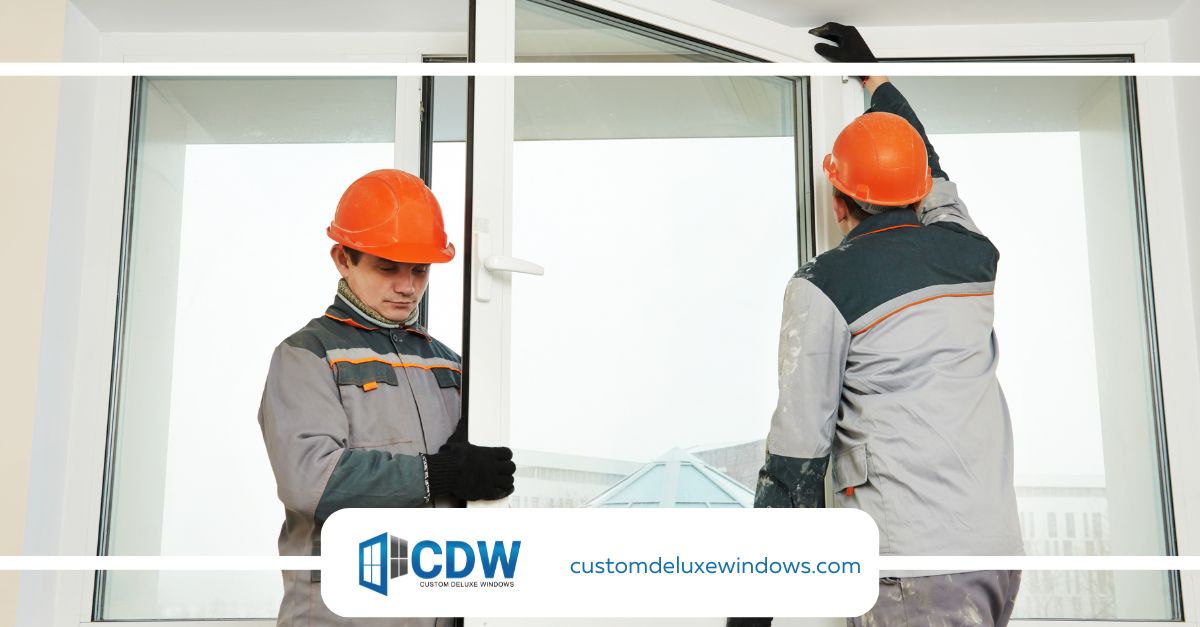
Clark County Building Codes, NSCB Licensing & Desert Mechanics
Executing window replacement across Clark County, including Las Vegas, Henderson, and North Las Vegas, requires strict compliance with regional construction mandates enforced by the Nevada State Contractors Board (NSCB). The Mojave Desert presents severe thermal stress that quickly compromises improperly installed or non-compliant fenestration.
To deliver long-term structural integrity and pass Clark County municipal inspections, installations require specific thermal and mechanical protections:
- NSCB Licensing & Permitting Compliance: Working with NSCB-licensed, bonded, and insured technicians guarantees that window installations adhere to local structural and safety regulations, securing appropriate municipal permits without exposure to homeowner liability.
- Commercial-Grade High-Heat Polyurethane Sealants: Standard silicone or cheap acrylic caulks break down, dry out, and crack when exposed to 115 degrees summer temperatures. Desert-grade polyurethane sealants maintain permanent elasticity during extreme thermal movement, ensuring an airtight seal that expands and contracts alongside exterior stucco walls.
- Stucco Retrofit Flange Integration: Flush-fin stucco retrofit flanges slide over existing metal or wood frames without damaging surrounding exterior plaster walls. Sealed with expanding polyurethane foam, this system forms an impenetrable barrier that stops fine windblown desert silt, dust, and moisture from penetrating internal wall cavities during spring windstorms and monsoon downpours.
Las Vegas Valley Geography, Microclimates & Regional Entity Signals
Environmental stressors vary significantly across the Las Vegas Valley depending on elevation, proximity to mountain ranges, and neighborhood infrastructure.
High-Elevation Foothills
- Regions: Summerlin, Red Rock Canyon border, Centennial Hills, and Macdonald Highlands.
- Environmental Demands: Extreme high-altitude ultraviolet (UV) radiation, severe diurnal temperature shifts, and gusting windstorms carrying desert dust off mountain slopes.
- Engineering Solution: Heavy-walled virgin uPVC extrusions fortified with titanium dioxide (TiO2) prevent frame chalking, cracking, and bowing under direct high-altitude solar exposure, while interlocking weatherstripping keeps windblown silt out of tracks.
Inland Valley Floors & Commercial Corridors
- Regions: Central Las Vegas, Green Valley (Henderson), Enterprise, and Spring Valley.
- Environmental Demands: Urban heat island effects where asphalt and concrete trap heat overnight, along with heavy ambient noise pollution from major thoroughfares like the I-15, 215 Beltway, and Spring Mountain Road.
- Engineering Solution: Spectrally selective Low-E 366 glass packages reflect heat back outside during blistering afternoon hours. Asymmetric acoustic dual-pane glass disrupts sound waves, muting traffic noise and restoring indoor tranquility.
Financial Return: Utility Bill Reductions & Power Rebates
In the Las Vegas Valley, long summer seasons keep outdoor temperatures well above 100 degrees for months. Standard single-pane or aged double-pane glass allows radiant solar energy to flood interior rooms, forcing central air conditioning compressors to run continuously at maximum capacity.
Thermal Performance Metrics
Upgrading to energy-efficient windows directly lowers residential utility expenses:
- U-Factor (0.30): Measures the rate of non-solar heat transfer. A lower U-Factor ensures indoor air-conditioned air remains trapped inside, protecting living areas from ambient outdoor heat.
- Solar Heat Gain Coefficient / SHGC (0.23): Quantifies the fraction of solar radiation passing through the window assembly. Low-E 366 glass blocks more than 77% of raw radiant heat before it can enter the home.
- NV Energy Rebate Alignment: High-efficiency glass installations meet performance guidelines established by local utility rebate programs, helping homeowners qualify for power company energy-efficiency incentives while lowering monthly peak-tariff electrical charges.
Single-Source Custom Manufacturing vs. Third-Party Broker Model
Achieving long-term durability in desert conditions requires absolute precision. Operating through retail brokers who sell stock-sized units and hire third-party subcontractors introduces communication breakdowns, improper sizing, and split warranty liabilities.
| Quality & Performance Metric | Retail Window Dealer / Subcontractor Model | Single-Source Manufacturer-Installer Model |
|---|---|---|
| Middleman Markups | High: Multiple distribution layer fees inflate final project costs. | Zero: Direct factory-to-consumer model eliminates middleman markups. |
| Sizing & Fitment | Standard Stock Sizes: Relies on wide filler frames or thick caulk seams that degrade under heat. | Millimeter Customization: Built to exact 1/16th-inch dimensions for a clean fit. |
| Installation Teams | Third-Party Subcontractors: Variable skill levels and installation practices. | In-House Certified Technicians: Factory-trained technicians following manufacturer specs. |
| Weatherproofing Systems | Basic Caulk Application: Prone to drying out and cracking in 115 degrees heat. | Desert-Grade System: High-heat polyurethanes + expanding insulation foam. |
| Warranty Accountability | Fragmented: Split between frame extruder, glass maker, and third-party installer. | Direct Single-Source: Comprehensive factory warranty covering frame, glass, & labor. |
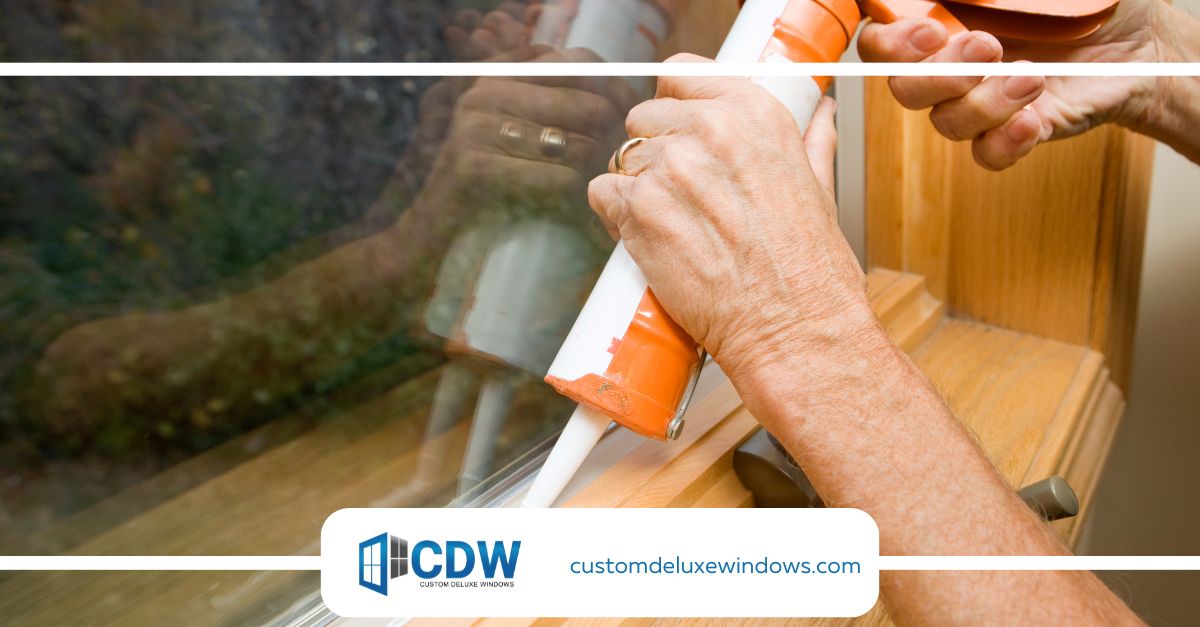
Precision Step-by-Step Las Vegas Valley Window Installers Process
- Precision Technical Survey: Evaluators survey existing structural openings to within 1/16th of an inch, capturing exact dimensions without disturbing exterior stucco or interior drywall.
- Custom Factory Fabrication: Frames are custom-extruded using heavy-walled virgin uPVC doped with titanium dioxide (TiO2), then heat-welded at corner joints into monolithic structural assemblies.
- Flush-Fin Retrofit Mounting: Frames with integrated stucco retrofit flanges slide securely over existing openings, creating a clean perimeter trim.
- Thermal Expansion Insulation: Low-expansion polyurethane foam explicitly formulated for fenestration fills perimeter cavities, blocking air drafts and windblown silt.
- High-Heat Weatherization: Technicians seal exterior perimeter joints with commercial-grade elastomeric polyurethanes that remain elastic during high-temperature thermal movement.
Architectural Vinyl Styles & Advanced Home Security
Upgrading custom windows enhances exterior curb appeal across Southern Nevada architecture while upgrading residential security mechanisms.
Architectural Window Styles
- Single-Hung & Double-Hung Windows: Classic vertical operation with tilt-in sashes for easy glass cleaning from inside upper floors.
- Horizontal Sliding Windows: Dual-brass rollers glide along vinyl tracks, making them an ideal choice for expansive patio wall openings and modern desert ranch layouts.
- Casement & Awning Windows: Crank outward to catch cooling mountain breezes during mild spring and winter months, sealing tight against multi-layer weatherstripping when closed.
- Picture & Curved Custom Windows: Fixed glass units engineered to frame dramatic mountain horizons while delivering maximum thermal performance.
Integrated Security Features
Standard single-latch windows leave home openings vulnerable to forced entry. Replacement vinyl units build security directly into internal frame profiles:
- Multi-Point Locking Systems: Engaging a single lock lever drives heavy-duty deadbolts into continuous frame keepers at multiple points along the sash.
- Cam-Action Sash Locks: High-torque cam locks pull upper and lower meeting rails tightly together, compressing weatherstripping to block windblown silt while resisting mechanical prying tools.
- Tempered Safety Glass: Ground-floor windows and patio doors can be upgraded with tempered or impact-resistant glass layers to provide physical shatter resistance.
Las Vegas Valley Window Installers
Why is hiring an NSCB-licensed window contractor important in Clark County?
Hiring a Nevada State Contractors Board (NSCB) licensed contractor guarantees that your installer is bonded, insured, and verified to meet state trade standards. Licensed contractors ensure all work complies with Clark County building codes, secures required municipal permits, and uses approved installation methods that protect your property value and warranty coverage.
How do stucco retrofit flanges protect my home during desert windstorms?
Stucco retrofit flanges (flush-fin frames) fit over existing window openings to cover raw edges and perimeter gaps. When combined with expanding polyurethane insulation foam and high-heat elastomeric sealants, the flange creates an airtight, moisture-proof seal that prevents fine windblown desert silt, dust particles, and drafts from entering wall cavities or interior rooms.
What makes spectrally selective Low-E 366 glass effective for Las Vegas summers?
Spectrally selective Low-E 366 glass features microscopic metallic layers that reflect up to 95% of invisible solar heat rays while allowing visible natural light to pass through. By stopping solar heat before it enters the glass, it maintains cooler indoor room temperatures, lightens the load on air conditioning units, and lowers peak-season electric expenses.
Why do standard sealants fail on Las Vegas windows during summer heatwaves?
Standard caulks (such as basic silicone or painter’s acrylic) harden and lose elasticity when exposed to direct sun and 115 degrees desert heat. As the window frame expands and contracts, brittle caulking cracks, peels, and breaks away from the stucco. Professional desert installers use commercial-grade high-heat polyurethane sealants that remain flexible across wide temperature swings to prevent seal rupture.
What are the benefits of single-source custom manufacturing over buying stock windows?
Single-source manufacturing eliminates third-party distributor markups, guarantees precise 1/16th-inch sizing tailored to your rough openings, and ensures the product is engineered specifically for desert climate demands. It also provides direct single-source warranty coverage for the frame, glass, and installation labor without third-party distributor disputes.